
Solar Power and Battery Storage, Engineered to Last
Alsafa Technology designs and installs hybrid solar systems — photovoltaic panels, hybrid inverters and lithium battery storage — for homes, businesses and agricultural sites. Every system is sized to the actual load, built with equipment whose specifications we have verified, and commissioned to run for decades, not seasons.
Why Solar With Storage
A grid-tied solar array alone lowers your daytime bill. Adding a hybrid inverter and battery changes what the system can do for you:
Use your own energy after sunset
Surplus production during the day is stored and consumed in the evening, when household and commercial loads typically peak and the panels have stopped producing.
Keep running during outages
A hybrid inverter with a battery switches to backup within milliseconds, so lighting, refrigeration, communications and essential equipment stay on when the grid goes down.
Protect against rising tariffs
The more of your consumption you cover from your own roof, the less exposed you are to future electricity price increases — the system's output is fixed the day it is installed.
Scale as your needs grow
Modern high-voltage battery platforms stack in modules, so storage can start small and expand later without replacing the inverter or rewiring the system.
What We Do
Site survey and system design
We measure the roof, assess shading and orientation, review your consumption profile and size the array, inverter and storage to match — not a one-size-fits-all package.
Equipment supply
Panels, inverters, batteries, mounting structures, cabling and protection — selected from established manufacturers and specified from their published datasheets, never from a brochure headline.
Professional installation
Structural mounting, DC and AC wiring, earthing and surge protection, battery integration and grid connection — carried out to the applicable electrical standards by our own team.
Commissioning and support
Every system is tested under load before handover, connected to remote monitoring, and documented so that you — and we — can see exactly how it performs over time.
How a Hybrid Solar System Works
The equipment in our catalog is designed to work together as one system. Here is the path energy takes:
-
1
Panels generate DC power
Photovoltaic modules on the roof convert sunlight into direct current. High-efficiency N-type cells produce more energy per square meter and degrade more slowly than older technologies.
-
2
The hybrid inverter manages the flow
A single hybrid inverter converts DC to usable AC for your loads, decides in real time whether surplus energy goes to the battery or the grid, and draws from the battery when production is insufficient.
-
3
The battery stores the surplus
Lithium iron phosphate (LiFePO4) modules store daytime surplus for evening and night use. The chemistry is chosen for thermal stability and long cycle life — typically six thousand cycles or more.
-
4
Loads are served from the best source
At any moment your consumption is covered from solar first, then battery, then grid — automatically, without any intervention on your part.
-
5
Everything is visible remotely
Production, consumption, battery state and grid exchange are logged and available from a phone or browser, so performance can be checked and issues spotted early.
Equipment We Install
We select equipment from established international manufacturers and specify it from their published technical data. The catalog below shows what we currently install, with the real figures behind each product.
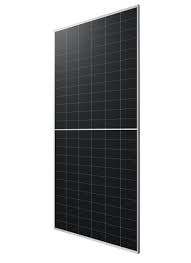
Solar Panels
High-efficiency N-type modules from LONGi and JinkoSolar — bifacial, dual-glass, 650 W class.
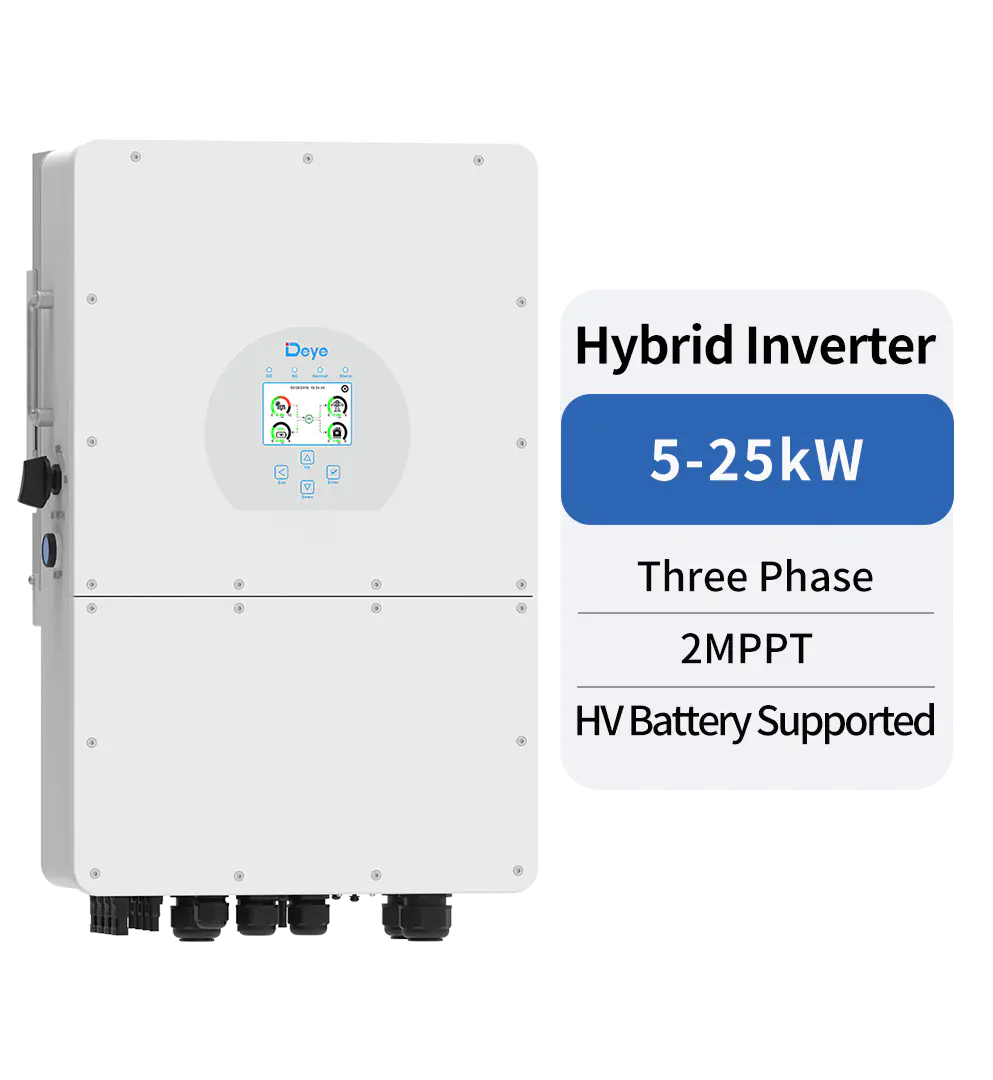
Hybrid Inverters
Deye three-phase hybrid inverters from 15 kW to 50 kW, on a high-voltage battery architecture.
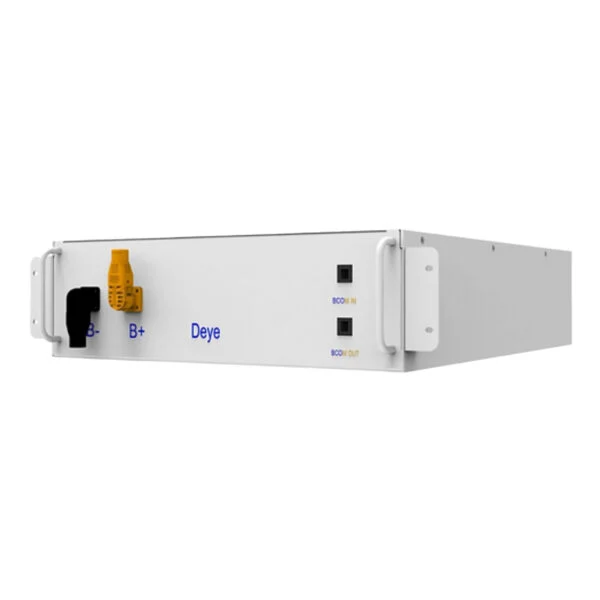
Battery Storage
Deye high-voltage LiFePO4 storage, stackable from 4 kWh to over 60 kWh.
Frequently Asked Questions
How much roof area does a system need?
As a rule of thumb, a 650 W panel occupies roughly 2.7 square meters. A 10 kW array therefore needs about 16 panels and 45 square meters of unshaded roof, plus spacing for access and tilt. Flat roofs are mounted on tilted structures; pitched roofs use rail systems that follow the roof slope.
What is the difference between a grid-tied and a hybrid system?
A grid-tied inverter only works while the grid is present and has no battery: surplus is exported and nothing is stored. A hybrid inverter adds a battery connection and backup capability — it stores surplus, supplies loads at night and keeps essential circuits running during an outage.
Why high-voltage batteries?
At higher voltage the same power flows at lower current, so cables, fuses and connectors are smaller and losses are lower. For systems above roughly 10 kWh this makes the installation cleaner, safer and more efficient, and high-voltage platforms scale in modules without rewiring.
How long does the equipment last?
Panels carry linear performance warranties of 25 to 30 years and typically retain over 85 percent of their rated output at the end of that period. Inverters are electronic devices with a shorter design life and are usually warranted for 5 to 10 years. LiFePO4 batteries are rated for around 6,000 charge cycles — well over 15 years of daily use.
What happens when the grid goes down?
A hybrid inverter with a compatible battery detects the outage and switches to backup mode in a few milliseconds — fast enough that most equipment does not notice. The loads on the backup circuit continue to run from the battery and, during daylight, from the panels.
Does the system need maintenance?
Very little. Panels benefit from occasional cleaning in dusty conditions, and the electrical installation should be inspected periodically. Remote monitoring reports production and faults continuously, so problems are visible before they affect your bill.